
Checkout: USD

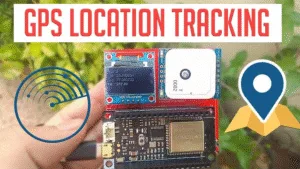
Build Your Own Portable ESP32 GPS Tracker: From Basics to Advanced Tips

*Imagine hiking through remote wilderness without relying on spotty phone signals. Your custom-built device—smaller than a wallet—records every step, streams your location to loved ones, or guides you back at sunset. This isn’t sci-fi; it’s what you achieve with an ESP32 and GPS module.*

Why ESP32 Dominates DIY GPS Trackers

The ESP32 isn’t just a microcontroller; it’s a Swiss Army knife for location-based projects:

  • Dual-core power: Handles GPS data parsing, Wi-Fi/Bluetooth sync, and user interfaces simultaneously.

  • Built-in connectivity: Upload data to the cloud via Wi-Fi or cache it locally when off-grid.

  • Ultra-low cost: Boards start under $10, democratizing real-time tracking.


Core Components You’ll Need

  1. ESP32 Board: Opt for the ESP32-S3 for enhanced power efficiency or ESP32-C3 for cost-sensitive builds.

  2. GPS Module:

    • *Neo-6M*: Budget-friendly (~$15), ideal for hobbyists.

    • Reyax RYS352A: High sensitivity for tree cover/canyons.

  3. Power Source: 18650 Li-ion battery (3.7V) with a TP4056 charger module for 8–12 hours runtime.

  4. Optional Peripherals:

    • 0.96″ OLED display for coordinates/speed.

    • MicroSD card slot for offline track logging.


Step-by-Step Build Guide

1. Hardware Wiring

  • GPS ↔ ESP32:

    • GPS TX → ESP32 RX2 (GPIO16)

    • GPS RX → ESP32 TX2 (GPIO17)
      Critical: Avoid the default Serial (UART0) pins—they conflict with USB debugging. Use Serial1 or Serial2.

  • Antenna Placement: Mount vertically with a clear sky view. Use a passive helical antenna for better signal lock in forests.

2. Software Essentials

Libraries:

  • TinyGPS++ (decode NMEA data)

  • WiFiClientSecure (HTTPS cloud sync)

  • SPI (for SD card logging)

Code Snippet: Dual-Mode Logging

cpp
#include <TinyGPS++.h>  
TinyGPSPlus gps;  
HardwareSerial GPS_Serial(1); // Use UART1  

void setup() {  
  Serial.begin(115200);  
  GPS_Serial.begin(9600, SERIAL_8N1, 16, 17); // RX=16, TX=17  
}  

void loop() {  
  while (GPS_Serial.available() > 0) {  
    if (gps.encode(GPS_Serial.read())) {  
      if (gps.location.isValid()) {  
        // Save to SD card  
        logToSD(gps.lat(), gps.lng());  
        // Or upload to cloud if Wi-Fi connected  
        uploadToCloud(gps.lat(), gps.lng());  
      }  
    }  
  }  
}

Cloud vs. Offline: Data Sync Strategies

Method Pros Cons
Cloud (GeoLinker API) Real-time global tracking, geofencing alerts Requires Wi-Fi/cellular 23
Offline (MicroSD) Works in deserts/oceans, no subscription fees Manual data retrieval 5
Hybrid Mode Caches data when offline, auto-syncs when online Complex state management

Pro Tip: Use ESP32.deepSleep() between 5–60 second intervals to slash power use by 80% during static tracking.


Troubleshooting Common Issues

  • “No Fix” after 15 minutes?

    • Send $PQTMRESTOREPAR*13 to reset GPS module configurations.

    • Ensure the antenna isn’t shielded by metal components.

  • Inaccurate Coordinates?

    • Wait for ≥7 satellite locks (HDOP < 2.0 = high accuracy).

    • Add a BMM150 compass module for dead-reckoning in urban canyons.


Project Inspiration: Beyond Basic Tracking

  1. Wilderness Trail Mapper: Logs GPS waypoints every 30 seconds, plots routes via GeoLinker. Battery lasts 16+ hours.

  2. Asset Tracker: Embed in vehicles/drones. Geofence triggers SMS alerts using IFTTT.

  3. Glacier Research Pod: Solar-powered, transmits ice-movement data via satellite IoT (using Blues Wireless Notecard).


Conclusion: Your Gateway to Precision Tracking

The ESP32 transforms GPS tracking from complex engineering into an accessible weekend project. Whether monitoring a backpack in the Andes or tracking migratory birds, you control the data—without monthly fees or opaque algorithms.

Your Turn: What will you track? Share your build notes in the comments below!

*Last tested on ESP32-S3 DevKit v1.0 with firmware v2.0.11.*


References/Credits:

======================================

About ESP32S.com

Since 2016, ESP32S.com has grown to become a complete ecosystem partner for your IoT journey. Based in Shenzhen, a global hub for electronics innovation, we have helped hundreds of developers and businesses bring their ESP32-based ideas to life. Our team is dedicated to providing exceptional support and innovative solutions to help you achieve your IoT goals.
At ESP32S.com, we master the intricacies of developing an ESP32-based product, which involves multiple stages, from concept to market launch. That’s why we now offer comprehensive solutions covering the entire product lifecycle for ESP32-based devices. Whether you need help with PCB design, prototyping, production, or even marketing and fulfillment, we have you covered.


Contact Us

Ready to take your IoT project to the next level? Contact ESP32S.com today to learn more about our comprehensive solutions for ESP32-based devices. Let us be your trusted partner in bringing your innovative ideas to life. Contact us now to get started.

Table of Contents

Related Posts
Start typing to see products you are looking for.
Shopping cart
Sign in

No account yet?

Shop
Wishlist
0 items Cart
My account